
Self-Sacrifice and the Meaning of Love
First LoveThis flow follows the story’s changing ideas of sacrifice, from Vladimir’s heroic fantasies to Zinaïda’s painful devotion.
increasing Bearing strength in each event
 decreasing
Bearing strength in each eventdecreasingThe Boy’s Heroic Offer
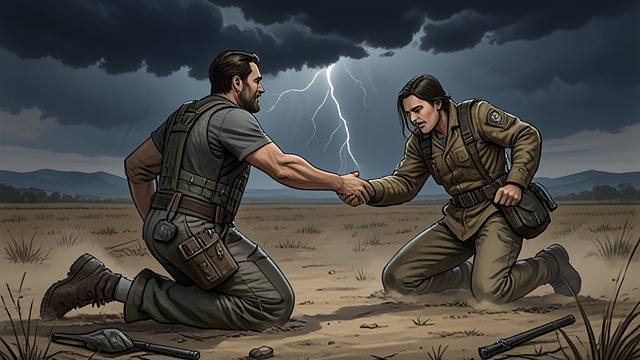
Sacrifice Imagined
Rescue Fantasies
Vladimir pictures saving Zinaïda from enemies and dying at her feet. His imagined sacrifice offers a way to make his love appear consequential.
A Self-Centered Ideal
The fantasies reveal sincerity, but they place Vladimir at the center of the drama. He does not yet understand that love may involve experiences beyond his knowledge or control.
A Saying in the Garden
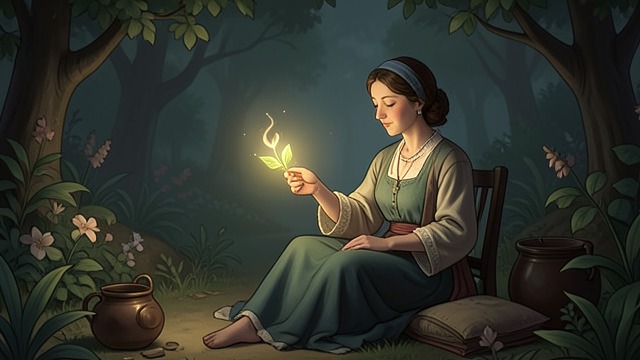
Sacrifice Named
Love in Verse
Zinaïda reflects on a line about a heart that cannot help loving. She says poetry can describe a truth that ordinary life fails to capture.
Lushin’s Observation
Doctor Lushin later remarks that self-sacrifice may be sweet for some people. The idea helps Vladimir approach Zinaïda’s suffering, though he cannot yet grasp its full meaning.
The Gesture That Redefines Love
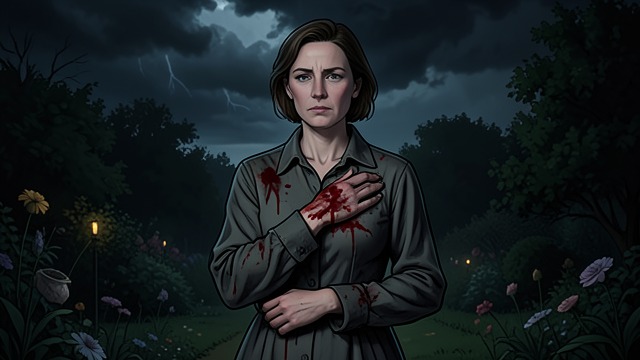
Devotion Beyond Fantasy
Pain Accepted
After Piotr Vassilievitch strikes her, Zinaïda kisses the mark on her arm. Vladimir sees an act of surrender and devotion that exceeds his imagined rescues.
A Lasting Challenge
The gesture does not become a simple lesson in ideal love; its beauty is inseparable from its violence. Its unresolved contradiction gives the story’s idea of sacrifice its force.
During Vladimir’s weeks of infatuation
After Zinaïda asks Vladimir to read poetry
Late summer of 1833, at the river house
